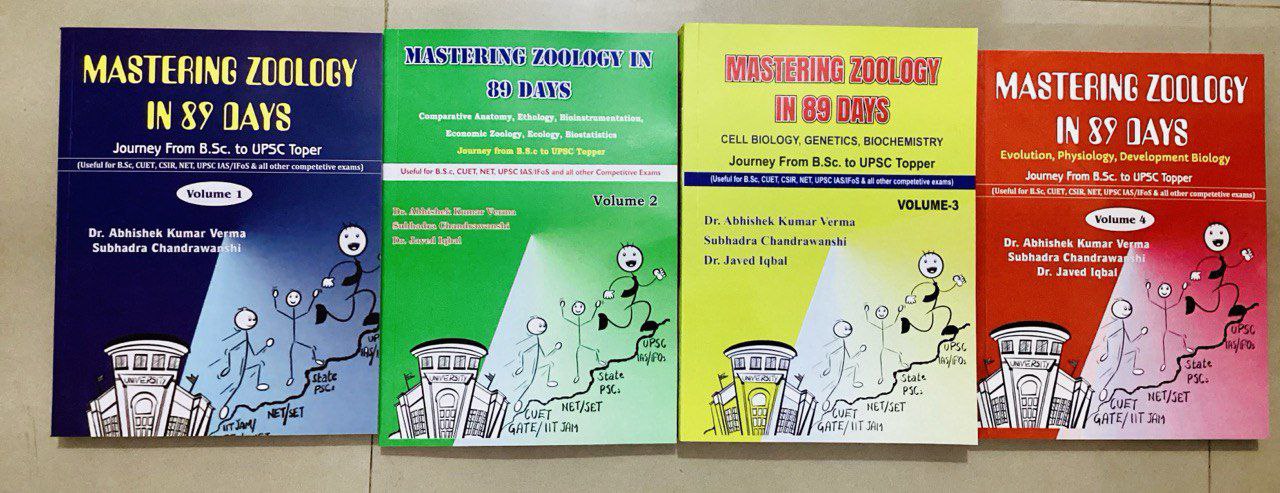
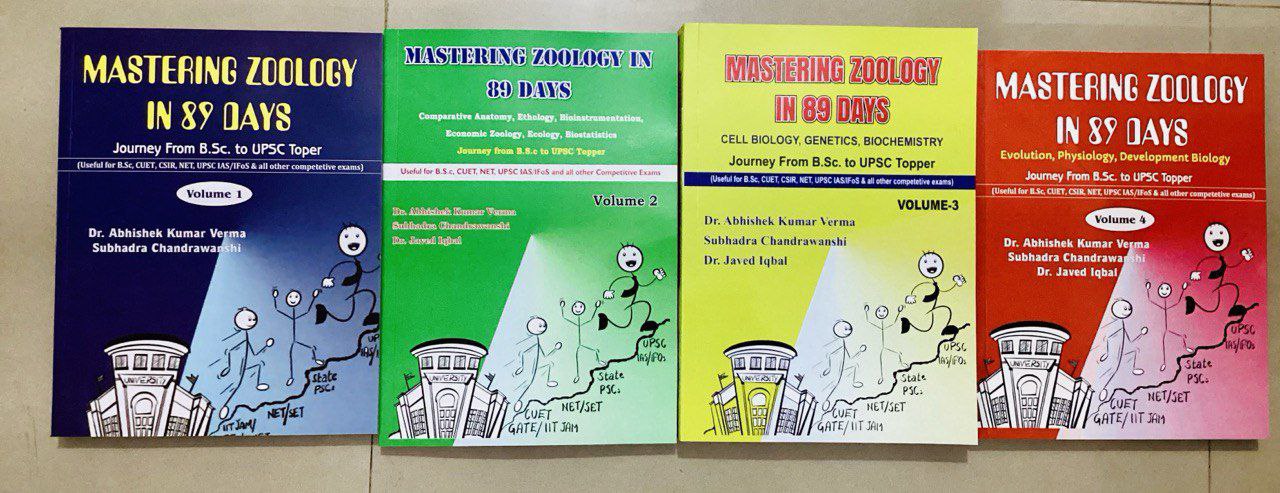
Many UPSC aspirants choose Zoology optional for its scoring potential but end up with low marks due to its technical demands and common preparation pitfalls. Success rates hover around 5-10% historically, with scores often stuck at 230-240 instead of the 300+ achievable by toppers. ? ? Vast Syllabus Overload Zoology's syllabus spans non-chordates to biotechnology, demanding in-depth study that overwhelms beginners without a life sciences background. Limited overlap with GS papers forces extra effort, unlike humanities options. ? Technical nature requires biology graduates; others struggle with concepts like genetics and physiology. No concise notes available, leading to scattered resources from coaching or the internet. ? Poor Conceptual Understanding Rote learning fails as UPSC twists questions to test application, not memorization. Aspirants rely on pre-medical notes building deep insights for analytical answers. ? Haphazard sources yield half-baked coverage, preventing high scores against well-prepared competitors. ? Ignoring interconnections, like evolution with genetics, results in incomplete responses. ? Neglecting Diagrams and Answer Writing Zoology rewards visuals�15-20 mark questions need precise diagrams�but most skip practice. Failure to sketch 10-15 diagrams per topic, from mitosis to chordate evolution, caps scores. ? No simulated practice: Need 500 home answers plus 8-10 test series under exam conditions. ? Short, unstructured answers lack flowcharts, losing edge in a 3-hour paper. ? Inadequate Revision and Strategy Insufficient revisions (aim for 3-5x) and no test evaluation doom even strong prep. Bulky material discourages multiple revisions; concise notes are key for 70-80 hour marathons. ? Over-assessing strengths or ignoring weaknesses, like low aptitude, leads to repeated failures. ? Limited guidance: Few mentors for Zoology versus popular optionals.
Why Most Students Fail in Zoology Optional
Share this post: